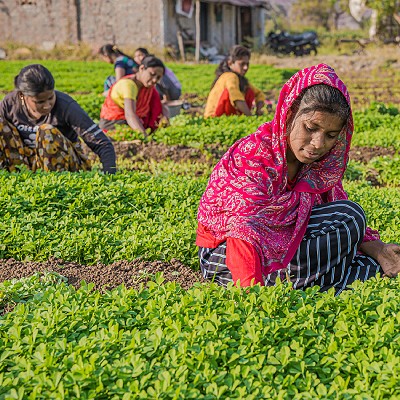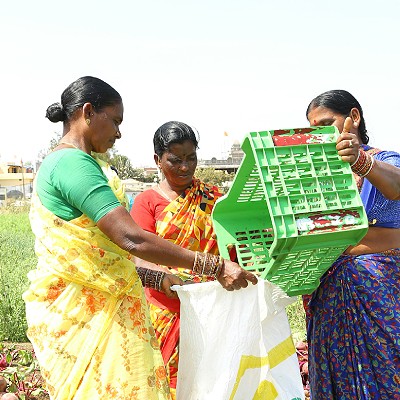
Himalayan Food Bank has expanded its disaster response network by launching new regional distribution centers to improve the speed and effectiveness of emergency food assistance across Nepal. This initiative ensures that food and essential supplies can reach families affected by floods, landslides, earthquakes, and other natural disasters without unnecessary delays.
The new distribution centers are strategically located in key regions, allowing emergency response teams to mobilize relief materials quickly. By reducing transportation time and improving local coordination, the organization can provide faster support to vulnerable communities during critical situations.
Key Highlights
- Expanded regional distribution network across high-risk areas.
- Faster emergency food delivery during disasters.
- Improved coordination with local governments and community organizations.
- Increased warehouse capacity for emergency food storage.
- Better inventory management using digital tracking systems.
- Enhanced volunteer training for disaster preparedness.
Essential Relief Supplies
Each distribution center maintains a ready stock of emergency supplies, including:
- Rice and flour
- Lentils and pulses
- Cooking oil
- Salt and sugar
- Drinking water
- Ready-to-eat food packages
- Hygiene and sanitation kits
- Baby nutrition supplies
- Blankets and emergency essentials
Community Partnership
Himalayan Food Bank continues to work closely with various partners to strengthen disaster preparedness and response.
- Local municipalities
- Community-based organizations
- Volunteer networks
- Farmers and food producers
- Transportation partners
- Corporate donors
- Non-governmental organizations (NGOs)
These partnerships help ensure that emergency supplies are available, transportation routes remain accessible, and relief operations are coordinated efficiently.
Training and Preparedness
To improve emergency response capacity, Himalayan Food Bank regularly conducts:
- Volunteer orientation programs
- Warehouse management training
- Food safety and handling workshops
- Disaster response simulations
- Community awareness campaigns
- Emergency logistics planning
These activities help volunteers respond confidently and effectively during emergencies.
Looking Ahead
The expansion of these distribution centers represents another important milestone in Himalayan Food Bank’s mission to eliminate hunger during times of crisis. By investing in stronger infrastructure, reliable partnerships, and community-based preparedness, the organization is building a resilient humanitarian network capable of delivering timely assistance to thousands of families across Nepal.
Together with volunteers, donors, and community partners, Himalayan Food Bank remains committed to ensuring that every family has access to nutritious food and essential support when they need it most.