
Livestock Practices Category: Goat
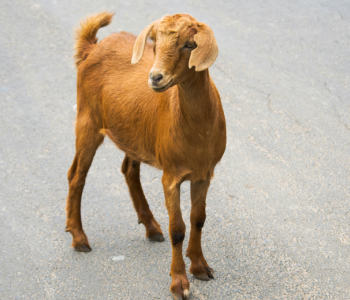
Terai
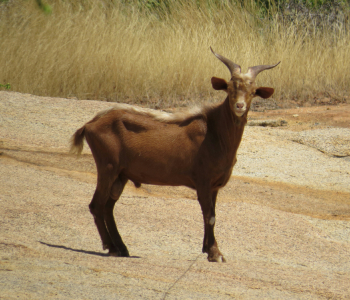
Jamunapari
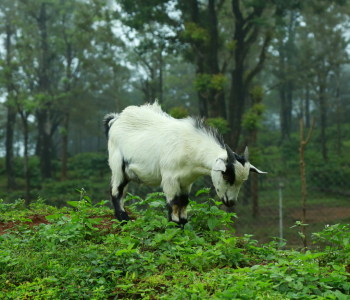
Beetal

The Beetal Goat is a highly productive dual-purpose breed originating from the Punjab region of India and Pakistan. It is valued for both milk and meat production and is well known for its large body size, excellent adaptability, and high reproductive performance. Beetal goats are commonly raised by farmers because they are easy to manage and perform well under different farming systems.
Breed Characteristics
- Origin: Punjab region (India and Pakistan)
- Primary Purpose: Milk and Meat Production
- Body Color: Black, brown, red, or spotted with long drooping ears
- Adult Buck Weight: 65–80 kg
- Adult Doe Weight: 45–60 kg
- Milk Production: 1.5–2.5 liters per day under good management
- Temperament: Friendly, active, and easy to handle
- Growth Rate: Moderate to Fast
Advantages
Beetal goats are known for producing good-quality milk while also providing excellent meat. They adapt well to various climatic conditions and have high fertility with good mothering ability. Their strong growth performance and attractive appearance make them one of the most popular goat breeds for commercial farming.
Feeding Management
A balanced diet consisting of green fodder, legumes, hay, concentrate feed, and mineral supplements is recommended. Clean drinking water should always be available. Lactating does and growing kids require additional nutrients to maintain healthy growth and milk production.
Housing Management
Beetal goats require clean, dry, and well-ventilated housing with enough space for movement. Proper sanitation, regular cleaning, and good drainage help reduce disease risks and improve overall productivity. Protection from excessive heat and rain is also important.
Health Care
Maintain a regular vaccination and deworming schedule to prevent common diseases. Monitor animals for signs of illness, trim hooves periodically, and ensure proper hygiene around feeding and watering areas. Routine veterinary check-ups help maintain herd health and improve production.
Breeding
Beetal goats reach breeding age relatively early and have good reproductive performance. Healthy breeding bucks and does should be selected based on body size, milk production, and overall health. Proper breeding management leads to healthy kids and improved herd quality.
Boer
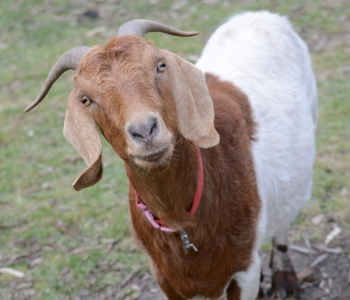
The Boer Goat is one of the world’s most popular meat goat breeds, originally developed in South Africa. It is widely recognized for its fast growth, excellent meat quality, high fertility, and strong adaptability to different environmental conditions. Due to its superior performance, Boer goats are commonly used for commercial meat production and crossbreeding programs around the world.
Breed Characteristics
- Origin: South Africa
- Primary Purpose: Meat Production
- Body Color: White body with a reddish-brown head
- Adult Buck Weight: 110–135 kg
- Adult Doe Weight: 80–100 kg
- Temperament: Calm, active, and easy to manage
- Growth Rate: Fast
Advantages
Boer goats have excellent feed conversion efficiency, allowing them to gain weight quickly under proper management. They produce high-quality meat with good dressing percentages and have strong maternal instincts, making them suitable for breeding programs. Their adaptability to various climates also makes them a preferred choice for farmers.
Feeding Management
A balanced diet is essential for optimal growth and productivity. Boer goats should receive quality green forage, hay, concentrate feed, and mineral supplements. Fresh, clean drinking water must always be available. Young kids and pregnant or lactating does require additional nutritional support to maintain good health and performance.
Housing Management
Provide a clean, dry, and well-ventilated shelter that protects the animals from extreme weather conditions. Adequate space should be available to reduce stress and prevent the spread of diseases. Regular cleaning and proper drainage help maintain a healthy environment.
Health Care
Routine vaccination and deworming programs are important for disease prevention. Farmers should regularly monitor animals for signs of illness, trim hooves when necessary, and maintain proper hygiene in feeding and watering areas. Early veterinary care helps minimize health-related losses.
Breeding
Boer goats reach sexual maturity at an early age and are known for their high reproductive performance. Selecting healthy breeding animals with desirable genetic traits improves herd quality and productivity. Proper breeding management results in healthy offspring and higher kidding rates.