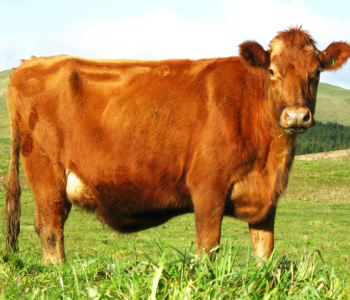
The Jersey is one of the world’s most popular dairy cattle breeds, originating from the Island of Jersey in the English Channel. It is highly valued for producing milk with a high butterfat and protein content, making it ideal for butter, cheese, and other dairy products. Jersey cattle are smaller in size than many other dairy breeds, require less feed, and are well known for their efficiency and adaptability.
Breed Characteristics
- Origin: Jersey Island, United Kingdom
- Primary Purpose: Milk Production
- Body Color: Light fawn to dark brown, sometimes with white markings
- Adult Bull Weight: 600–800 kg
- Adult Cow Weight: 400–500 kg
- Average Milk Yield: 4,000–6,500 liters per lactation (under good management)
- Milk Butterfat Content: 4.8–5.8%
- Temperament: Gentle, active, and easy to handle
Advantages
Jersey cattle produce milk with excellent butterfat and protein content, making it highly valuable for dairy processing. They consume less feed than larger dairy breeds while maintaining good milk production. The breed is known for early maturity, good fertility, and adaptability to a wide range of climatic conditions.
Feeding Management
A balanced diet consisting of fresh green fodder, hay, silage, concentrate feed, and mineral supplements is essential for maintaining milk production and overall health. Lactating cows require additional nutrients to support milk yield. Fresh, clean drinking water should always be available.
Housing Management
Jersey cattle should be housed in clean, dry, and well-ventilated barns with adequate space for movement and resting. Proper drainage and regular cleaning help reduce disease risks. Providing shade during hot weather and protection from heavy rain or cold improves animal comfort and productivity.
Health Care
Follow a regular vaccination and deworming schedule to prevent common diseases. Maintain proper hygiene during milking to reduce the risk of mastitis. Routine veterinary check-ups, hoof trimming, and balanced nutrition help keep the herd healthy and productive.
Breeding
Jersey heifers usually reach breeding age between 15 and 18 months under good management. Artificial insemination and selective breeding are commonly used to improve milk production, fertility, and overall herd quality. Proper reproductive management results in healthy calves and consistent milk production.
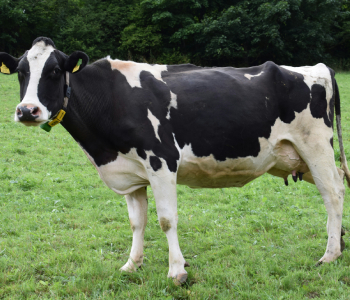
The Holstein Friesian is the world’s most popular dairy cattle breed, renowned for its exceptional milk production. Originating in the Netherlands, this breed has become the preferred choice for commercial dairy farming across the globe. Holstein Friesian cattle are easily recognized by their distinctive black-and-white or red-and-white coat pattern, large body size, and excellent dairy performance.
Breed Characteristics
- Origin: Netherlands
- Primary Purpose: Milk Production
- Body Color: Black and white or red and white
- Adult Bull Weight: 900–1,200 kg
- Adult Cow Weight: 580–700 kg
- Average Milk Yield: 6,000–10,000 liters per lactation (under good management)
- Temperament: Calm and easy to manage
- Growth Rate: Fast
Advantages
Holstein Friesian cattle are famous for their outstanding milk production and efficient feed conversion. They adapt well to modern dairy farming systems and respond positively to good nutrition and management. The breed also has a strong genetic potential for improving milk yield through selective breeding.
Feeding Management
Holstein Friesian cattle require a balanced diet consisting of high-quality green fodder, hay, silage, concentrate feed, and mineral supplements. Adequate protein and energy are essential for maintaining high milk production. Fresh, clean drinking water should always be available, especially for lactating cows.
Housing Management
Provide clean, spacious, and well-ventilated housing with proper drainage and comfortable resting areas. Dairy barns should be cleaned regularly to maintain hygiene and reduce the risk of disease. Adequate shade and protection from extreme weather conditions are important for animal comfort and productivity.
Health Care
Implement a regular vaccination and deworming program to prevent common diseases. Monitor cattle daily for signs of illness, mastitis, or lameness. Routine veterinary check-ups, proper hoof trimming, and maintaining clean milking practices are essential for ensuring herd health and maximizing milk production.
Breeding
Holstein Friesian cows typically reach breeding maturity at around 15–18 months of age. Artificial insemination is widely used to improve genetic quality and increase milk production. Proper heat detection, breeding management, and care during pregnancy contribute to healthy calves and better reproductive performance.
