
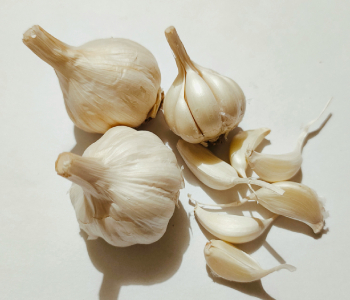
Garlic (Allium sativum) is one of the most widely cultivated and economically important spice crops in the world. It belongs to the Amaryllidaceae family and is closely related to onions, leeks, and shallots. Garlic is valued for its distinctive flavor, rich nutritional content, and remarkable medicinal properties. It has been cultivated for more than 5,000 years and is widely used in households, restaurants, food processing industries, and pharmaceutical products. Due to its long storage life, high market demand, and profitability, garlic is considered an excellent cash crop for commercial as well as small-scale farmers.
Key Facts
- Scientific Name: Allium sativum
- Family: Amaryllidaceae
- Common Name: Garlic
- Plant Type: Bulb Vegetable
- Propagation Method: Cloves
- Growing Season: Autumn to Winter
- Harvest Time: 4–6 months after planting
- Soil pH: 6.0–7.5
- Ideal Temperature: 12°C–24°C
Climate Requirements
Garlic grows best under cool climatic conditions during vegetative growth and warm, dry weather during bulb development and harvesting. Adequate sunlight encourages healthy leaf growth and larger bulb formation. Excessive rainfall or waterlogging may increase the risk of fungal diseases and reduce crop quality.
Suitable Climate
- Cool and moderately dry climate
- Full sunlight
- Moderate humidity
- Good air circulation
- Frost-free growing period
Soil Requirements
Garlic thrives in fertile, loose, well-drained sandy loam or loam soils rich in organic matter. Proper drainage is essential because standing water can cause bulb rot and poor growth.
Ideal Soil Conditions
- Sandy loam or loam soil
- Rich organic matter
- Good drainage
- Soil pH between 6.0 and 7.5
- Free from stones and weeds
Planting
Healthy, disease-free cloves are selected from mature bulbs for planting. Large cloves generally produce stronger plants and larger bulbs. Cloves are planted with the pointed end facing upward at a depth of approximately 3–5 cm.
Recommended Spacing
- Row spacing: 20–25 cm
- Plant spacing: 8–10 cm
- Planting depth: 3–5 cm
Irrigation
Garlic requires moderate irrigation throughout its growth cycle. The crop should receive sufficient moisture during bulb formation but should never remain waterlogged. Irrigation is usually stopped two weeks before harvesting to improve bulb quality and storage life.
Irrigation Tips
- Irrigate immediately after planting.
- Keep soil evenly moist.
- Avoid excessive watering.
- Ensure proper drainage.
- Stop irrigation before harvest.
Fertilizer Management
Proper nutrient management improves bulb size and overall yield. Organic manure should be incorporated before planting, followed by balanced fertilizer applications during crop growth.
Recommended Nutrients
- Nitrogen (N)
- Phosphorus (P)
- Potassium (K)
- Farmyard Manure (FYM)
- Compost
- Micronutrients if required
Weed Management
Weeds compete with garlic for nutrients, moisture, and sunlight. Early weed control is essential for obtaining healthy plants and higher yields.
Weed Control Methods
- Hand weeding
- Mulching
- Shallow hoeing
- Clean cultivation
Common Pests
Several insect pests attack garlic during different growth stages. Regular monitoring helps reduce crop damage.
Major Pests
- Onion Thrips
- Bulb Mites
- Onion Maggots
- Cutworms
- Aphids
Common Diseases
Garlic can be affected by fungal and bacterial diseases under unfavorable conditions.
Major Diseases
- White Rot
- Purple Blotch
- Rust
- Basal Rot
- Downy Mildew
Harvesting
Garlic is ready for harvest when nearly half to two-thirds of the leaves turn yellow and begin drying naturally. Harvesting at the correct stage ensures better bulb size, higher quality, and longer storage life.
Harvesting Indicators
- 50–70% leaves turn yellow
- Bulbs become firm
- Outer skin becomes dry
- Well-developed cloves
- Strong garlic aroma
Storage
Proper curing and storage help maintain bulb quality for several months.
Storage Tips
- Cure bulbs for 2–3 weeks.
- Store in a cool, dry place.
- Maintain good ventilation.
- Avoid direct sunlight.
- Remove damaged bulbs before storage.
Nutritional Value
Garlic is packed with essential nutrients that contribute to overall health.
Nutrients Found in Garlic
- Vitamin C
- Vitamin B6
- Manganese
- Selenium
- Calcium
- Potassium
- Phosphorus
- Dietary Fiber
- Antioxidants
- Allicin
Health Benefits
Garlic has been used as a natural medicine for centuries due to its powerful bioactive compounds.
Health Benefits
- Boosts the immune system
- Supports heart health
- Helps reduce blood pressure
- Lowers cholesterol levels
- Rich in antioxidants
- Has antibacterial properties
- Has antiviral properties
- Supports healthy digestion
- Helps reduce inflammation
- Promotes overall wellness
Uses of Garlic
Garlic has many commercial and household applications.
Common Uses
- Cooking and seasoning
- Pickle production
- Food processing
- Herbal medicine
- Pharmaceutical products
- Nutritional supplements
- Essential oil extraction
- Spice industry
Advantages of Garlic Cultivation
- High market demand
- Excellent storage life
- Profitable cash crop
- Easy transportation
- Suitable for small and commercial farms
- Strong export potential
- Multiple industrial uses