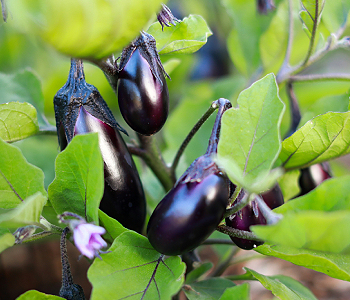
Eggplant (Solanum melongena), also known as brinjal or aubergine, is one of the most widely cultivated vegetable crops in the world. It belongs to the Solanaceae family, which also includes tomatoes, potatoes, and peppers. Eggplant is valued for its versatility in cooking, nutritional benefits, and high market demand. The crop adapts well to tropical and subtropical climates and can be grown successfully in open fields as well as protected cultivation systems. Due to its relatively high yield potential and continuous harvesting period, eggplant is considered an excellent cash crop for both small-scale and commercial farmers.
Key Facts
- Scientific Name: Solanum melongena
- Family: Solanaceae
- Common Names: Eggplant, Brinjal, Aubergine
- Crop Type: Vegetable
- Propagation: Seeds
- Growing Season: Spring and Summer
- Harvest Period: 70–120 days after transplanting
- Ideal Soil pH: 5.5–6.8
- Temperature: 22°C–30°C
Climate Requirements
Eggplant grows best in warm climates with plenty of sunshine. The crop is sensitive to frost and low temperatures, making it suitable for tropical and subtropical regions. Consistent warmth encourages vigorous vegetative growth, flowering, and fruit development.
Suitable Climate
- Warm and sunny weather
- Temperature between 22°C and 30°C
- Moderate humidity
- Frost-free conditions
- Good air circulation
Soil Requirements
Eggplant prefers fertile, well-drained loamy or sandy loam soils rich in organic matter. Proper soil preparation improves root development and increases fruit production. Waterlogged soils should be avoided because they encourage root diseases.
Ideal Soil Conditions
- Sandy loam or loam soil
- Rich in organic matter
- Good drainage
- Soil pH between 5.5 and 6.8
- Loose and fertile soil
Land Preparation
The land should be plowed thoroughly to create a fine seedbed. Organic compost or well-rotted farmyard manure should be incorporated before transplanting. Raised beds are recommended in poorly drained areas to prevent waterlogging.
Land Preparation Steps
- Deep plowing
- Remove weeds and stones
- Apply compost or farmyard manure
- Level the field
- Prepare raised beds if necessary
Seed Selection and Nursery Management
Healthy, certified seeds should be selected to ensure strong seedlings and better crop performance. Seeds are first sown in nursery beds or seed trays before transplanting to the main field.
Nursery Practices
- Use certified seeds
- Prepare raised nursery beds
- Water regularly
- Protect seedlings from pests
- Transplant healthy seedlings after 4–6 weeks
Transplanting
Seedlings are transplanted when they have developed 4–6 healthy leaves. Proper spacing improves sunlight penetration, air circulation, and fruit quality.
Recommended Spacing
- Row spacing: 60–75 cm
- Plant spacing: 45–60 cm
- Planting depth: Same as nursery level
Irrigation Management
Regular irrigation is necessary for healthy growth and continuous fruit production. The soil should remain moist but not waterlogged. Irrigation intervals depend on soil type and weather conditions.
Irrigation Tips
- Water immediately after transplanting
- Maintain consistent soil moisture
- Avoid excessive irrigation
- Improve field drainage
- Reduce watering during rainy periods
Fertilizer Management
Balanced fertilization encourages vigorous plant growth and higher fruit yields. Organic manure should be combined with recommended doses of nitrogen, phosphorus, and potassium fertilizers.
Essential Nutrients
- Nitrogen (N)
- Phosphorus (P)
- Potassium (K)
- Organic compost
- Farmyard manure
- Micronutrients as required
Weed Management
Weeds compete with eggplant for nutrients, water, and sunlight. Early weed control helps maximize crop productivity.
Weed Control Methods
- Hand weeding
- Mulching
- Shallow cultivation
- Mechanical weeding
Common Pests
Several insect pests attack eggplant during different growth stages and can significantly reduce yield.
Major Pests
- Shoot and Fruit Borer
- Aphids
- Whiteflies
- Jassids
- Spider Mites
- Thrips
Common Diseases
Eggplant is susceptible to fungal, bacterial, and viral diseases. Proper sanitation and crop rotation reduce disease incidence.
Major Diseases
- Bacterial Wilt
- Phomopsis Blight
- Fusarium Wilt
- Damping-off
- Leaf Spot
- Mosaic Virus
Harvesting
Eggplant fruits should be harvested while they are young, glossy, and firm. Overripe fruits become dull, develop hard seeds, and lose market value. Harvesting is usually done every 3–7 days during the production period.
Harvest Indicators
- Bright glossy skin
- Firm fruits
- Fully developed size
- Tender flesh
- Fresh green calyx
Post-Harvest Handling
Freshly harvested fruits should be handled carefully to avoid bruising. Fruits should be cleaned, sorted, graded, and packed in ventilated crates before transportation.
Post-Harvest Practices
- Remove damaged fruits
- Grade by size and quality
- Use ventilated packaging
- Store in a cool place
- Transport carefully
Nutritional Value
Eggplant is a nutritious vegetable rich in vitamins, minerals, antioxidants, and dietary fiber while being naturally low in calories.
Nutrients
- Vitamin C
- Vitamin K
- Vitamin B6
- Potassium
- Magnesium
- Manganese
- Dietary Fiber
- Folate
- Antioxidants
Health Benefits
Eggplant provides numerous health benefits due to its high antioxidant and fiber content.
Benefits
- Supports heart health
- Rich in antioxidants
- Promotes healthy digestion
- Helps maintain healthy blood sugar levels
- Supports weight management
- Improves gut health
- May reduce cholesterol levels
- Boosts overall nutrition
Uses of Eggplant
Eggplant is widely used in households and the food industry.
Common Uses
- Curries
- Stir-fries
- Grilled dishes
- Roasted recipes
- Pickles
- Soups
- Frozen vegetables
- Processed food products
Advantages of Eggplant Cultivation
- High market demand
- Long harvesting period
- Good profitability
- Suitable for commercial farming
- Adaptable to various climates
- Continuous fruit production
- Strong consumer demand
- Suitable for fresh and processed markets